Exhibition · 1814–1878
Hokusai Manga
The whimsical sketchbooks that lent an entire medium its name.
In 1814, a fifty-four-year-old Katsushika Hokusai released a modest woodblock-printed book of sketches in the provincial city of Nagoya. He could not have known that its cover word — *manga* — would one day travel the world as the name of an art form. Fourteen more volumes would follow across the next six decades, the last appearing posthumously around 1878. Together they form the *Hokusai Manga*: fifteen books, thousands of images, an inexhaustible drawn encyclopedia of the visible and imagined world.
What the Word Meant
*Manga* here does not mean the serialized comics of today. The characters — roughly "whimsical" or "random" and "pictures" — describe sketches dashed off as the brush wandered, without narrative or sequence. Hokusai's pages leap from carpenters to cranes, from wrestlers to waterfalls, from grimacing demons to the precise way a body bends to lift a load. These were practical books: affordable, printed in sober grey, black, and pale flesh tones, and bought by amateurs and professional artists alike as models to copy. They functioned as a *how-to-draw* manual — a curriculum in line, gesture, and observation drawn from one of history's most tireless eyes. The modern medium later borrowed the word, not the format; the lineage is one of spirit and name rather than of panels and speech balloons.
Why They Matter
No other single body of work so completely catalogs the sketch-impulse that underlies all comics: the conviction that anything — a sneeze, a ghost, a gust of wind, a fat man asleep — deserves to be seized in a few decisive strokes. Hokusai treats the common laborer and the thunder god with equal curiosity and equal wit. And when these books reached Europe in the nineteenth century, loose among the packing of exported goods, they helped ignite *Japonisme*. Degas, Monet, Van Gogh, and Toulouse-Lautrec pored over Hokusai's cropped compositions, flattened space, and candid figures. The sketchbooks that taught Japanese amateurs to draw ended up reshaping Western art — and naming a global storytelling form.
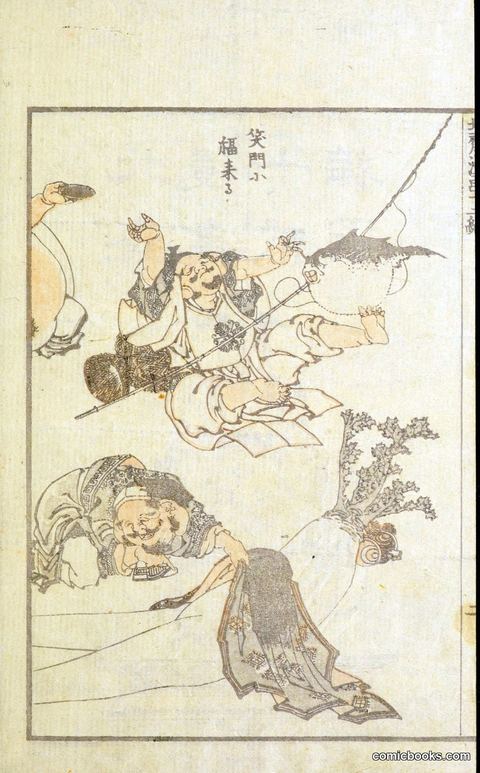 Hokusai Manga — a sketchbook plateKatsushika Hokusai 1814–1878
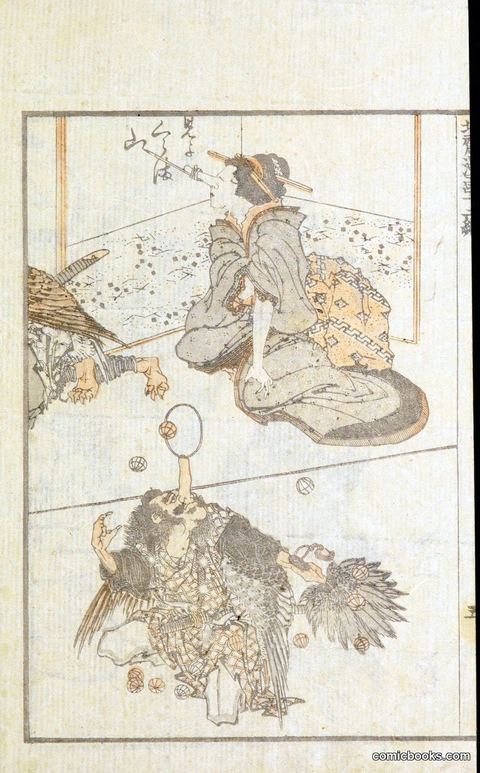 Hokusai Manga — a sketchbook plateKatsushika Hokusai 1814–1878
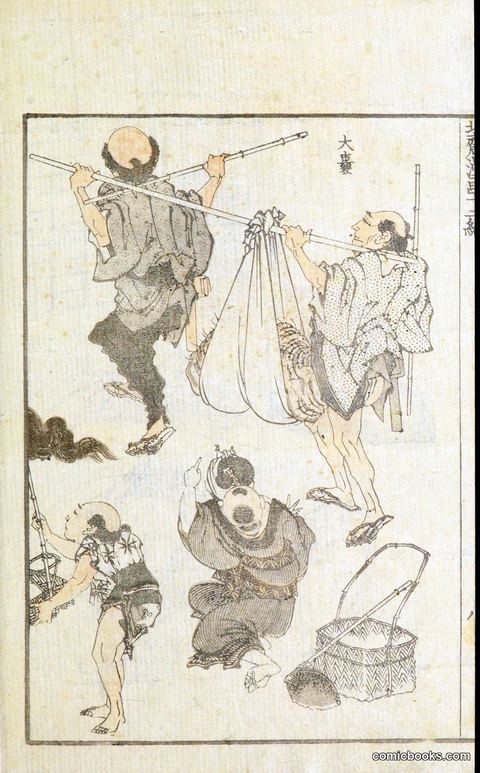 Hokusai Manga — a sketchbook plateKatsushika Hokusai 1814–1878
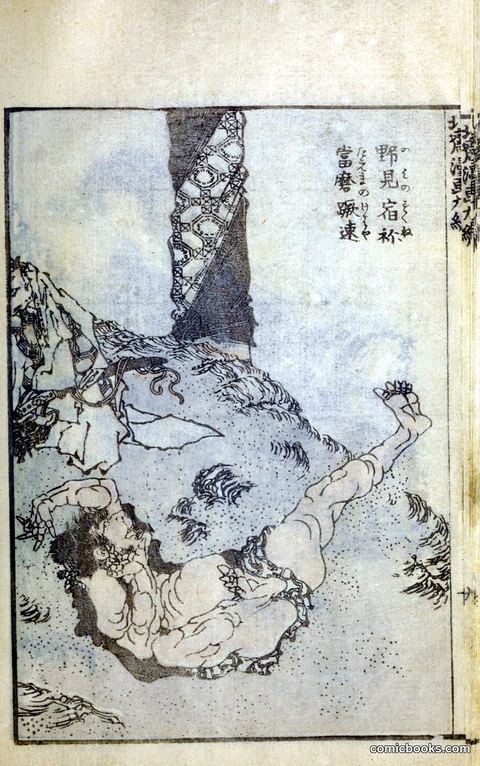 Hokusai Manga — a sketchbook plateKatsushika Hokusai 1814–1878
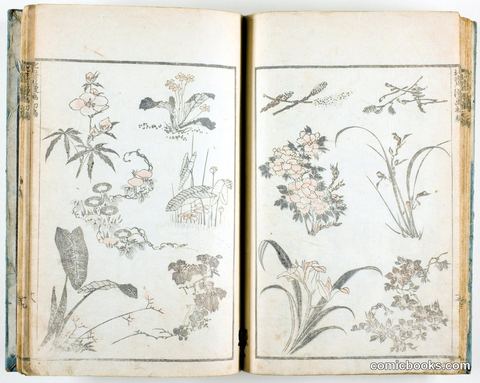 Hokusai manga (Sketches of Hokusai), v. 1-3, 5-11, and 14 of 15Katsushika Hokusai 1812/78
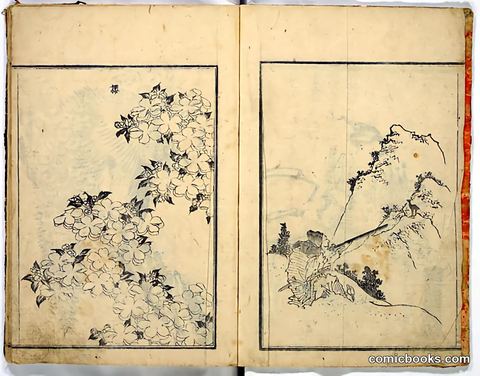 Random Sketches by HokusaiKatsushika Hokusai probably 1834
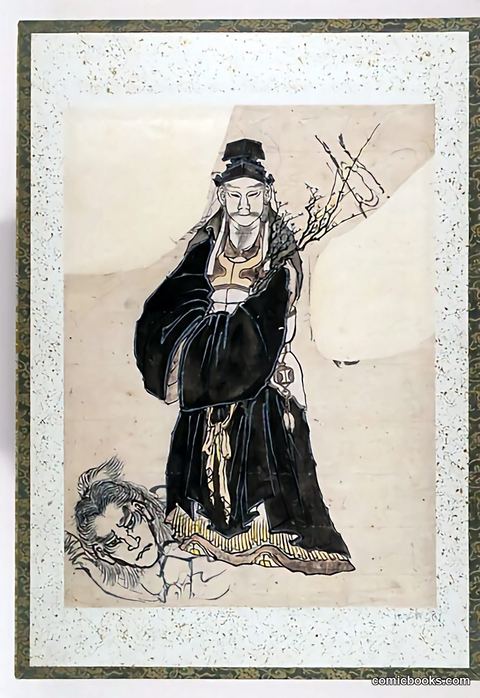 Album of Sketches by Katsushika Hokusai and His DisciplesKatsushika Hokusai 19th century
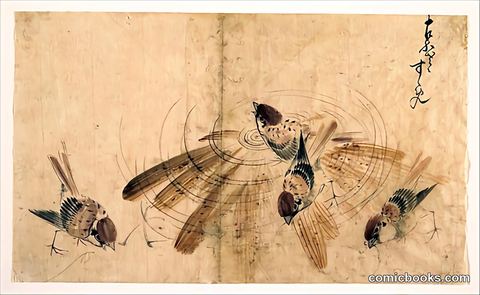 SparrowsKatsushika Hokusai ca. 1825
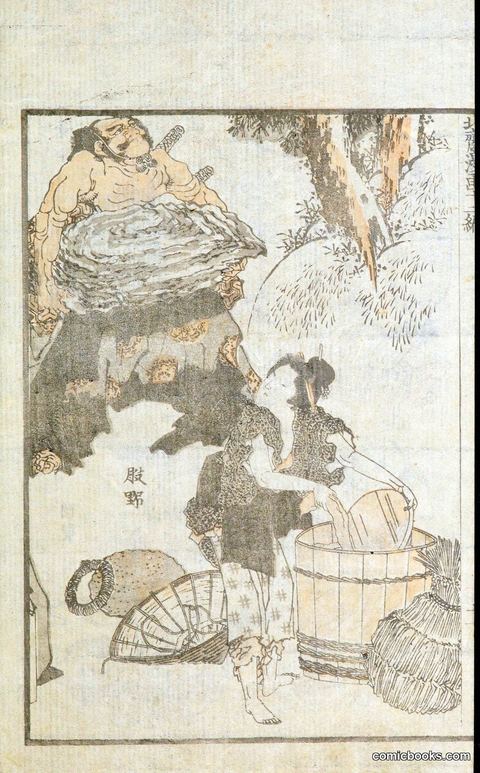 Hokusai Manga — a sketchbook plateKatsushika Hokusai 1814–1878
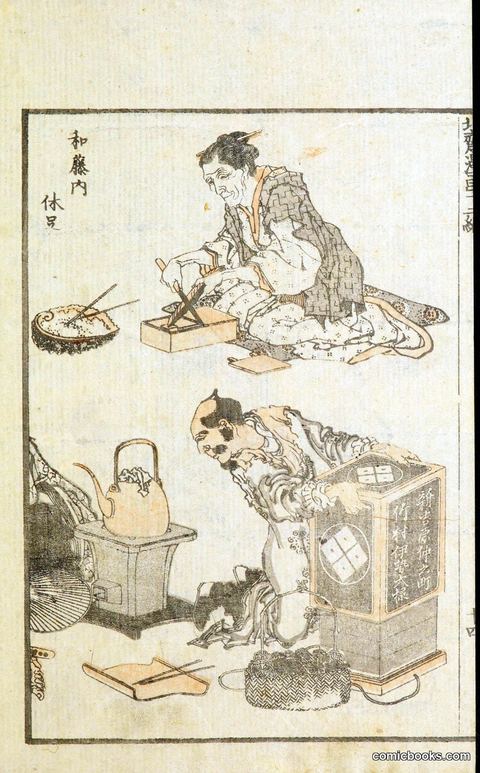 Hokusai Manga — a sketchbook plateKatsushika Hokusai 1814–1878
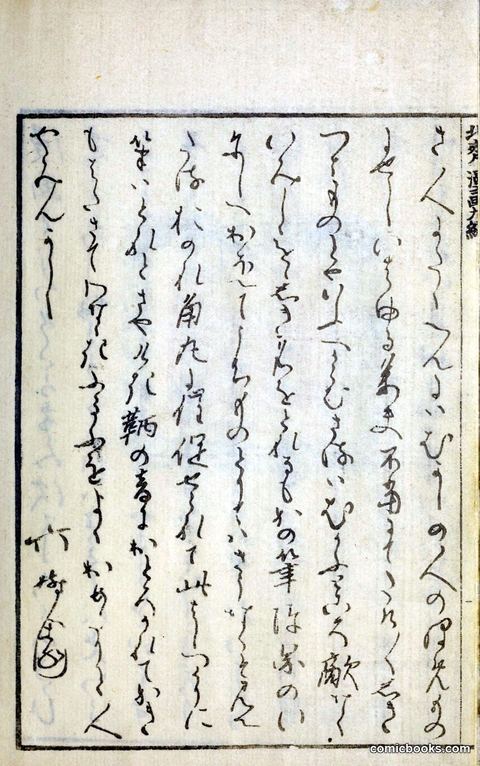 Hokusai Manga — a sketchbook plateKatsushika Hokusai 1814–1878
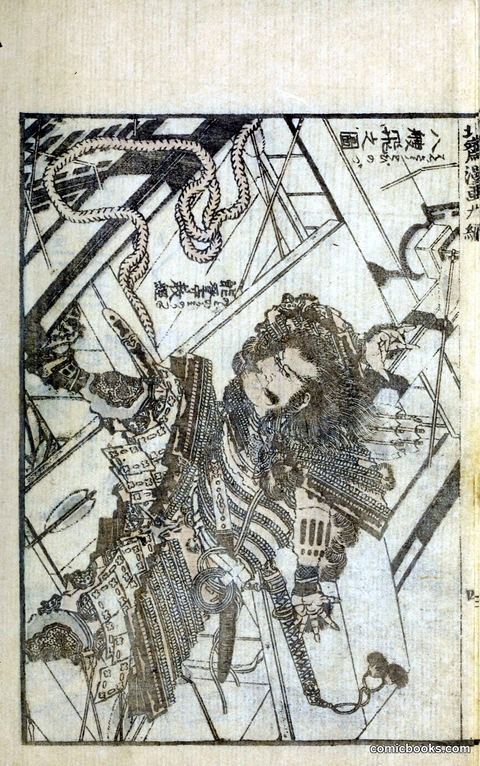 Hokusai Manga — a sketchbook plateKatsushika Hokusai 1814–1878
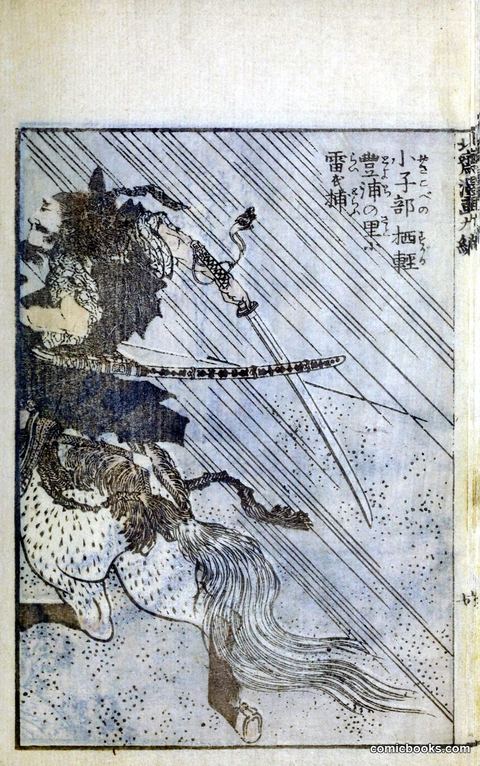 Hokusai Manga — a sketchbook plateKatsushika Hokusai 1814–1878
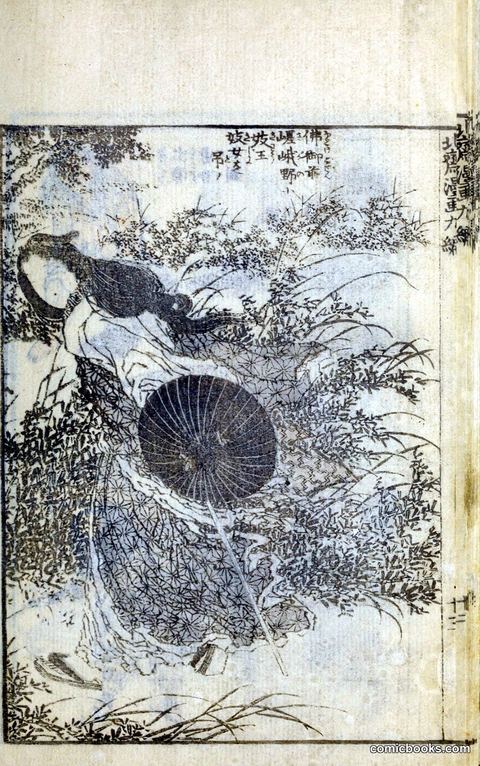 Hokusai Manga — a sketchbook plateKatsushika Hokusai 1814–1878